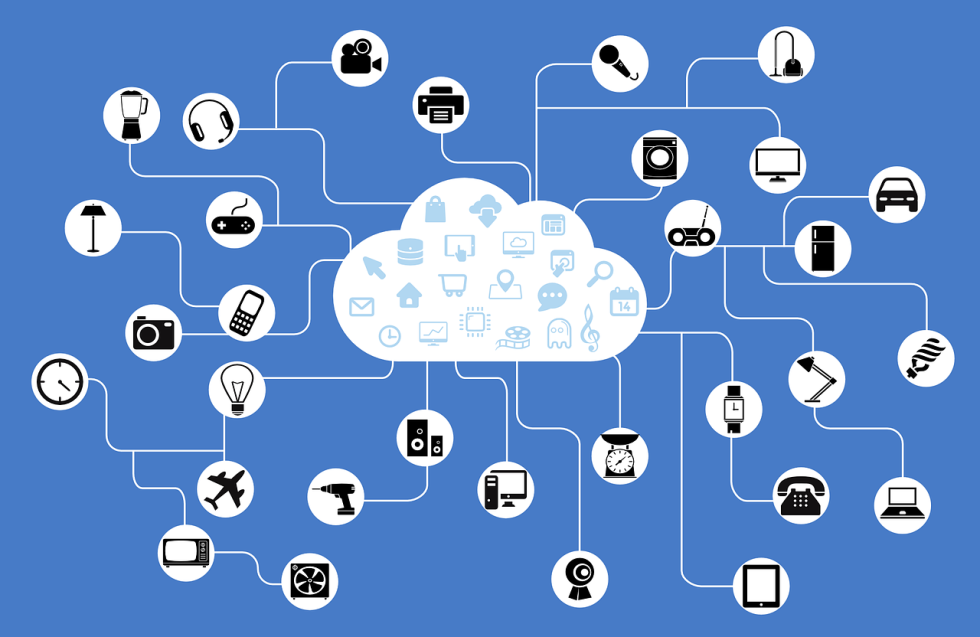
Electricity replaces the sun, wind, and some natural processes as the dependency for plants to grow indoors.
Starting a Smart Indoor Garden
The first glaring problem with the typical indoor garden is that extension wires are annoying and a potential safety hazard. On the other hand, wireless communications can lack the reliability of the wired variant. Going further, should the system be available to the local network or should it be connected to the Internet?
The same principle applies to your organization’s tech systems. A wired connection is reliable, predictable, and doesn’t depend on external infrastructure. A wireless one is flexible but introduces points of failure. This guide helps you choose the right approach for each part of your setup.
Since plants do not need Internet access in order to grow then we are potentially creating an additional dependency that the plant doesn’t want. The Internet is useful for providing access to your system, but security is questionable, how much control or data should be available? A connection to the Internet can become another dependency if the system cannot operate without communication to a cloud-based or otherwise remote server. If something can fail; we should plan for the eventual occurrence of that possibility as best as possible. If a long electrical outage were to occur it would be prudent to have a backup generator, or solar rechargeable battery storage system. If we can have better reliability with a wired connection, then it makes sense to use a combination of wired and wireless.
Next: Getting Wired and Wireless
Communication options such as i2c (a two-wire protocol for connecting sensors and modules to a microcontroller — useful for short-distance communication between an Arduino and a Raspberry Pi), which is great for communicating with another microcontroller or Raspberry Pi and the many wireless options: WiFi, bluetooth, etc.
- RF 315MHz / 433MHz — Simple one-way radio signals, similar to a garage door opener. No pairing required. Limited range (~30m). Good for basic on/off triggers between devices.
- nRF24L01 (a low-power 2.4GHz wireless radio module for short-range communication between Arduinos) — two-way communication at low power, range of ~100m outdoors. Requires one module on each end.
- Bluetooth (HC-05) — Short-range (typically 10m) two-way communication. Good for connecting to phones or tablets. Higher power draw than nRF24L01.
- WiFi Module (ESP8266 / CC3000) — Longest range of the wireless options. Connects directly to your existing network. Higher power draw — best when a device needs to serve a web interface or connect to the internet.